View Full Transcript
Dennis Ayotte 0:00
We're good.
Dennis Ayotte 0:02
All right,
Dennis Ayotte 0:06
everybody. Welcome to Talk of the trades. I'm not even gonna act like I know what episode it is anymore. So Bianca, help us out. Appreciate it.
Dennis Ayotte 0:16
Joined by Aaron Watters, what's up? Aaron, how are you? Sir,
Aaron Watters 0:19
howdy. I'm really frustrated. I've been saying howdy a lot lately, so I need to change that up.
Dennis Ayotte 0:24
Okay, could you went to a country concert not too long you kicked it in, I think
Aaron Watters 0:30
so.
Aaron Watters 0:30
It's just the social awkwardness, but yeah, Shane Smith and the saints. It was great, nice.
Dennis Ayotte 0:35
Yeah, I never heard them until you told me. So I don't
Aaron Watters 0:39
know, did you listen to the song I sent you.
Dennis Ayotte 0:41
Yes, that was the only one. And then I, like, clicked his artist bio. I'm like, Yeah, I've never heard of this guy, but Well, howdy from Texas, so cool. We got some good topics lined up today, so we're going to talk about little Pantheon reviews. So we just sent a gay folks out there to Anaheim. Check that out. That was a good time. We'll talk about the Google Search Console. Shake up, lot of lost traffic, GBP suspension. Seems like it's hot. I know we saw some stuff popping up on forums, Twitter, all that stuff. And then, you know the client Question of the Week. New Segment, oh, how do I show up in LLM search results. You weren't ready for that. Thank you, client. Yeah, I didn't notice the segment. First official segment, Bianca. Mark that one down. If we have some time, we'll talk through the Tiktok acquisition potentially, and some Reddit marketing strategies. Maybe talk about some things that we got going on here at Leadhub that we're excited about as well. So, yeah, let's jump into a pantheon, dude. So, you know, we like to do this thing called Rose and Thorn, kind of the peak in the pit type of deal. And so, you know, obviously I was there anymore. Yeah, I'll share my perspective. We'll probably have some more stuff coming out from the team. But in terms of Rose, you know me, I'm a social guy, so hanging out with the clients, for sure, it was a good time. So got to hang out with our Connecticut clients from Phoenix, and that was a really good time. Saw some other clients as well. So always good networking opportunity, for sure. And I think for me, at least, that's like the most value in some of these conferences. Because I think some years are hit or miss pantheon. You know, I heard a rumor. I can't remember where I heard this, but like, they spent upwards of like $7 million just on pantheon. So they had Peter Tia and Andrew Huberman there this year. And I think Little Big Town was the musical act, if I remember correctly, is that little NASDAQ. That Old Town road is definitely little NASDAQ's
Aaron Watters 3:01
showing my age.
Dennis Ayotte 3:04
I can't even think of one of their songs. So all good. So I think, you know, bros, one a is definitely the client stuff. 1b though, if we're talking about, like, things that sort of cycled out, have to go with their new kind of persona. I don't know what you would call it, but it's Atlas, is what they're calling it. So basically, think about chat GPT built into your service type account. Yeah. So what was really cool about that is not only some of the generative stuff it can do, you know, in terms of telling you what's going on with the data. I think some of the agentic AI that's going to happen in there in terms of it automatically ordering parts. So one of the examples they gave that was really cool was they showed a tech out in the field and him, you know, taking, I think it was like pictures with his phone, or he was wearing, like those glasses or whatever. But nonetheless, he was able to take, like, you know, video and photos, share it with Atlas, and it was able to help diagnose that sort of sense. So the integration there is going to be pretty insane. I think overall,
Aaron Watters 4:13
yeah, I remember we had a client that we didn't we're doing their HVAC stuff. They had a whole different model, but they had helmets like that, like eight years ago, they had a lens or a camera, and it was supposed to be that if you had a technical issue, was more for commercial, military, like construction, you could call back to the call center. So interesting to see that then come into almost, you know, just the AI side of it,
Dennis Ayotte 4:39
yeah, very cool. It's what interests me about that in this whole AI thing is like, you know, what is it going to do for like, the skill set that's needed for, like, that type of technician, you know, if you're able to diagnose with, you know, Atlas or a large language model, you know, what does that like look like for the type of skills you need? And. And kind of, how's that going to influence? Because I know, within our organization, you know, we talk about how, you know, maybe we'll we don't need to write as much anymore. We just need to understand how to get AI to write for us and in our voice and those types of things. So what are your thoughts on, like, how AI might impact, like the type of skills you might need, or who you'll hire, you know, in the future,
Aaron Watters 5:23
yeah, I mean, I think that there will be a drive towards hiring either entry level or not as talented individuals, but then you're going to find critical thinking is still something that is absolutely required, and having somebody ask the right questions, you can't really replace talent that has has experience. So I do think that the workforce will will get younger, but I also think the training is going to get better, and so it's scary, but also very interesting seeing where it's going, but like when we talk about it from a marketing side, when all the content sounds the same, how do you differentiate? And AI can differentiate, but you have to have somebody critically pushing in that direction. Yeah. I think from a training standpoint, you still need the skilled labor. I think we're going to those positions are going to stay for quite a while, yeah, but are they going to be more efficient?
Dennis Ayotte 6:22
Probably, yeah, I think definitely it's going to make folks more efficient, for sure. But also, you know, how are we going to have to, like, what level of communication skills do we need to have with AI, you know? And what I'm saying is, like, prompt engineering kind of thing, right? Because I think anybody can say, hey, like, what you know, what is this, right? But if you say something more detailed, like, hey, you know, what is this? I've measured its temperature. It's 69 degrees compared to other components and blah, blah, I don't know, you know, but that's like, what I think about. It's like, you're going to have to understand how to communicate with these tools. And, like, if you have that subject matter expertise already, coupled with the ability to like prompt these things, and these things, LLM or Atlas or whatever, the output is just going to be way ahead of anybody else. Yeah, I
Aaron Watters 7:13
think also, what you're going to find is people that don't have the experience are probably going to get there quicker. And I'll tie it in with like, an example, where I'll find, oftentimes, if I'm using a chatbot, or, let's say, I don't know if this happened in real life, but let's just say that maybe a leak happened in my in my ceiling, due to someone swapping out a plumbing fixture. And let's just say that I had to replace the sheet. Was that someone had to replace the sheetrock? Maybe, definitely wasn't you. Yeah. So like, I was using a pipe wrench on a faucet and stuff like that. But anyway, I I, I asked questions, and I was giving it too much context, basically leading the witness to where I would have just said, here's the picture, here's what I got, what's next. I would have been able to follow a better sequence, and instead, I was kind of driving because I didn't want to sound incompetent. So I was driving the AI in a certain direction because I was saying, I think it's this okay. Well, why would I say that I'm trusting Gemini or GPT? That was kind of a unique scenario. But, yeah,
Dennis Ayotte 8:19
go ahead. I just had an epiphany, right? So is this where your whole be a toilet? No, it is connected. Alright, we're going to say that part to the end, because the be a toilet thing, it's, it's poetic, it's like, not philosophical, but it's like, there's deep meaning to this there is, well, it's so simple. So be a toilet might not be what you think it is. Yes, toilet can be a lot of things. Yeah, so we will get to that later. Cool. I think the thorn from Pantheon, and, you know, I love the people involved, you know, at Pantheon, and I think they do a great job. I think those, some of the, you know, at least the panels I went to, fell a little bit short. You know, some of them were more like Fireside Chat stuff, as opposed to, you know, potential, like tangible things that you know, a contractor or marketer or somebody could take away from. You know, the event I know other people found value in certain areas and don't get me. Get me wrong, I went to a couple of panels that were really, really good, that provided some great information, and some of the other ones just felt like it was more like a platform of conversation as a as opposed to, you know, having actionable insights. And I see the value there, but I don't know, I think this year was just fucked a little different, but overall solid event in terms of aha moments. I just, you know, I don't know, I think, and you know, I've been talking about it for a long time. It's just this whole LLM, and you know, how can our clients leverage. Large language models more and really, like, use their data in ways that they've never been able before, because we have large language models to, like, help us compute it, and it's conversational and all that. So I just think, you know, the aha moment was just saying how AI is going to really impact, you know, the trades. Yes, we're marketing, and we see how it's impacting marketing. But now, you know, and I think last year we saw too, with all the rollout of, you know, new AI dispatchers and AI, you know, CSRS, and, you know, the whole stuff with Rilla and how they use, you know, AI to grade all that stuff. So I just think, you know, as lame as it sounds, I think you know just how AI is going to impact the trades overall.
Aaron Watters 10:46
Yeah, I think it's important to, like to isolate specific tactics where AI is actually providing value. And the I was listening to a really good conversation about the impact just of our energy drive. How much can we sustain with all these massive computing models? To make a funny video on Sora of a cat, like, standing upside down, like, what's the real environmental or financial impact? And then, like, how does it actually help us? And then, if you take that into the business, even here I've seen my my time use AI for stuff that dude. I could have done this a lot quicker, but it was cool to try it with AI. Then there's a lot of automation where I think we actually see, like when you go into booking and you go into route planning, yeah, like AI can definitely make a huge improvement there. But as we've seen, and we've talked about a lot as CSR AI bot, removing that emotional connection from from the first step, well, what's the drawback on customer sentiment in their experience with your brand? And so I think, and I know a lot of people have been just shoving AI on every process and onto every aspect of the business. How can we do this better with AI? I think it's important to take a step back and see what should we be doing with AI? Because if we're focusing on trying to improve everything in the trades via AI may not really be this the big lift that we're looking for.
Dennis Ayotte 12:16
Yeah, I think the other super important thing is, you know that I don't think they touched on much about Atlas. They sold you the dream and how incredible it'll be, but it's only going to be as good as the data that it has to, like, operate off. So you're an organization where you're, you know, halfway filling out, you know, information in your CRM, whether it's the history the client or, you know, invoices, or not keeping up with your inventory or price book, like all that stuff is going to impact the output. And that's why data, you know, hygiene, is going to be so so important, and having, like, a set of standards there. And I think as we build out our AI tools in harnessing all of our data, like, I think we're learning more and more like, how important it is. So, yeah, but I think overall Pantheon, give it a 7.9 out of 10, eight point 8.3 Yeah.
Aaron Watters 13:14
I think, I think from my perspective, even though I didn't go, I was at a business retreat for EO, like my rose. My Thorn clearly was that I wasn't able to go and got double booked, but my rose is that I had confidence in the eight people that we sent, and then you as a leader, making sure that everybody got to where they need to be on time. Everybody was, for the most part, not losing their phones multiple times, but but just knowing that, like, I fully had trust in the team that we sent there, and in the past, probably I'm a worrier, would have been worried about what's going on. Wasn't even a thought going into it. So that's a positive for me, for sure.
Dennis Ayotte 13:53
Heck, yeah. Well, I appreciate you saying that. Yeah, we, I would say we developed some new sales techniques. So shout out, Austin Hill for your tenacious pursuit. Results Driven all the above there. So good times, yeah, good times. Cool. Let's talk about this Google Search Console. Shake up you lead us into this one, because I don't know as much. I've just seen the grass, and they look scary. So what's what's going on here?
Aaron Watters 14:24
Yeah, so Google Search Console, basically Google does what Google does, and they they made a change into that query perimeter of having 100 search results. And so if you Google something like AC repair, they removed the ability to look at 100 results on the same page. And so that did a couple of things, like the one that most people were frustrated about, is any scraper tool that's used to give clients rankings on their position. If you're not in the top 10, all of a sudden, 11 through 100 are not. Not being tracked as a ranking in Google Search Console or in whatever authority labs or whatever ranking tool you're using. So what people saw in your Google Search Console is a massive drop in impressions, but a jump in position, and so all those fringe key words, if you're a foundation repair company, and maybe you have, like, house leveling in 78232, is a keyword that you showed up on the fifth page for on the 50th position that didn't even track anymore. So it looks like half of your website went away and you lost massive visibility, when, in reality, what it did was just say, okay, here are the keywords that you're ranking well for. And so you just lost a big impression share. Like I'm talking 66% impression share overnight. And so the big issue really is that your tracking tool may be broken. The opportunity here is focusing on the keywords that really matter in the paycheck keywords and thoughts there, it's probably, you know, I put the tin foil hat on. Google's probably getting served a ton of irrelevant queries and just people scraping the data. So it's probably like an energy conservation tactic. But they could probably also sell the data with direct connections to APIs on rankings. But overall, like we did, have a couple clients that freaked out, started changing a bunch of stuff, thinking of something that was wrong with the site. It was not something that was wrong with the site. It was simply Google changing how GSC was pulling those analytics interesting.
Dennis Ayotte 16:41
So it's not that like people lost the impression, so they're just not counting them anymore past
Aaron Watters 16:48
10th position, yep, yep. So they're just not being tracked. It's still there. It's just when you put into a website URL path, you can't put the ampersand in the query perimeter of show me 100 listings on one page. It's kind of like if you're on any tool and it's got tab navigation and it only shows 10 results, and you can say, Well, show me 50 results, or show me 100 results. Typically, what that that page does is it throws that parameter in the URL path, and then it opens it up. They just remove that. And so I don't really see them having a reason to open it back up and add it back. We haven't seen any news from them about them doing it yet. It's just adjusting.
Dennis Ayotte 17:31
But, yeah, interesting. So you think this was driven by, like, the AI scrapers and things like that, or
Aaron Watters 17:37
I think that, plus, I think what they're probably going to do is show fewer pages in the long run, and just position the AI to either force you to ask a better question or have kind of like a single page result, like realistically, very few people go past the second page. It's only if you're trying to scrape data or do like citation cleanup or something along those lines. I'm sure there are a ton of other reasons, but the mass quantity, you don't go past the second page. And so I think they're just trying to simplify that, that user interface.
Dennis Ayotte 18:14
Okay, interesting. What do you think like? What are like the next steps? Like, how can you know, contractors or other marketers, and what should be action on this stuff? Should we just wait
Aaron Watters 18:24
and see? Or, yeah, I mean, well, just understanding the value of clicks and conversions, rather than just impressions. And so I think, you know, we've talked about it a lot here internally, of when you're looking at Google Search Console, and then you're, monitoring impressions there, you really want to filter out anything that's lower than a 30 result from a position standpoint, because how far are you away from actually bringing bringing new traffic in? And I think also, what it'll do is focus in on, like, your local Geo, and make a lot of agencies be more honest with the traffic, because, like, blog writing is great to give more content for Google, but what we know as marketers is a lot of that blog organic traffic coming in from Google Search Console is from either data centers and bots crawling it, or people outside of your geo that you're never going to serve anyway, and so it's just bloated statistics that may be used to tell a client, look at how great you're doing, when really we should be focusing in on page views and conversions,
Dennis Ayotte 19:28
interesting. So you think it's not that much of a bad thing. You think it's going to be
Aaron Watters 19:34
positive in the end, I do unfortunately. I do think it's positive. And I say unfortunately because I hate change a lot of times, and I think the over reliance on the AI to be able to deliver the right result is going to be a potential concern. But if you can remove pages three through 10 through 20 or whatever in the Google interface, yeah, that's probably a good
Dennis Ayotte 19:56
move. Yeah, I don't know. Like, I'm torn, because also. So, you know, it seems like, you know, I'm hearing all this stuff about, like, searches are going back to like, long tail because of like, how we are, you know, how AI or llms have influenced it. You know, I also read that statistic that, you know, 60% of you know, AI reviews are coming from page four and Google, you know. And so I don't know, like, I don't know how to the to feel about it all, because it seems like we were going back to, like, what it kind of was before, with, you know, the whole idea of long tail, that sort of stuff. And then, so, yeah, interesting to see what's going to continue to occur, like, what Google is going to change, because they,
Aaron Watters 20:47
yeah, I think, I think, like, Connecticut, San Antonio is a client that we've had for a long time. They just came back, actually, like, one of their top performing blog posts is, like, what's the impact of hard water on my hair or something like that, right? And we've always been one or two for a bunch of queries there. And you know, a lot of bad content is written by blogs to rank exactly for that Q and A. And so now, if you're building more of a long form blog article that could be a question that's answered in the middle of your paragraph instead of your page title, your meta, your h1 your h2 all trying to rank for the same keyword. It's moving people more towards topical conversations and hopefully less spammy content. But again, we're trusting the AI to index it and then deliver what the AI believes is your best answer.
Dennis Ayotte 21:40
Yeah, I'm fascinated at how, you know content is going to change, and you know, where we create content and all that, because, you know, I don't think we're, I know there's more studies out there, but we're still not certain on, you know, how llms are getting their information where, and where they'll continue to get it, you know, and what does that shake up look like when they do the LLM, you know, core updates would be interesting to see, but cool, well, that's kind of scary, but at the same time, I mean, if it's going to give us better analytics, better analytics and statistics, then maybe, you Know, it will be a good thing in the end. Yeah, okay, cool. Here's a here's a hot topic. I know we've been struggling with, you know, this lately, just, you know, it seems like the last six months, it's gotten worse and worse, and now we think, I think we got validation, because we saw other kind of, you know, thought leaders in the space kind of call this out, but Google Business Profile suspensions, right? And so, you know, we, I think, through the past six months, have learned a few things. One of them, you know, is around, kind of the top five citation sites. So, you know, I guess first you know, what do you think's been causing the GBP suspensions? I have a tin hat theory. Yeah.
Aaron Watters 23:05
So, yeah, I've been perusing some Reddit threads as I'm creating more of a branded Reddit profile and trying to get active in there, like, don't want to blame the user, don't want to blame the business owner or even the agency. But most of the times when you ask clarifying questions, there's one or two things that the business owner or whoever's managing the profile has done, and it's, you know, too many changes on the profile, or what we typically see is changing your Google listing first, and then Everything else second. And Google just automated. Why? Or automatically you have to update your third party citations or your non Google citations first, Google should be last. And I think tinfoil hat. There are a lot of theories going on, but I think like the consolidation, or moving more towards GLS and GBP trying to come one property is probably a part of it. But in reality, I think there are more people making marketing decisions in businesses. There's less patience for doing it the right way, and there's more friction in these decisions. And so, I mean, we've had more clients either try to do the marketing themselves or bring in a marketing assistant. That happens? I mean, there's even stuff where here internally, like I'll make a change on a GBP without letting the SEO team know. That's potentially a friction moment where Google sees too much movement on a GBP. And so I think it's probably a flood of information, probably too much access for too many people, and then just we want everything now, which, which leads us to not follow the process. But I'm curious, what's your tinfoil
Dennis Ayotte 24:48
hat? Yeah, I'm thinking it's like, it's so, you know, AI driven and automated driven. Now that you know they're just relying on algorithms, or, you know, artificial systems. Sums to grade this stuff for lack of better terms, right? And so, like, the whole idea, to me, of, like, touching a profile too much will get it suspended. It's just, you know, it's just crazy to, like, think about, right? Because that they want you to, like, optimize the profile. And like, we've always thought that that sends good signals back. You know, when you're being, you know, active, you know, whether it's a Google post or ensuring, like, you know, you have good updated information regarding your business, so that you know. And coupled with the fact of you know, us trying to get new GPS verified, and then just, you know, it's like another hurdle to jump and another hurdle to jump. You know, it's just crazy to think about. So I think it's more driven because, you know, there's not really like humans looking at it anymore. And, you know, it leads me to believe it's like was who was even looking at it, you know, before you know, what was the level. But what's more frustrating is, like, Google doesn't really tell you specific, like, here's the playbook around, like, not getting suspended, right? Here's the playbook, like, the definitive way to, like, make sure your group of profile is verified. I mean, we have a garage door company, you know, they've been in business forever. He's got, you know, tons and tons of reviews, I think, what, 4000 reviews on his original GBP. He opens up a whole new showroom. So actual showroom where people can go and visit, it's not just like an office. And man, was that like a challenge to get that, you know, verified, the stuff that made us go through is just wild. So I think it's, it's frustrating, you know, more than anything. But yeah, and so, you know, some of the things we learned is top five citation sites, and I think this kind of goes in that AI thing, it's like, Google's going to seek the information somewhere else for, like, validation on their own thing, before it's, like, approved, you know. And I'd love to, like, run a task, like creative, just a fake business, create five of these fake citations and then see, like, what happens? Yeah, it'd be interesting. But yeah, so the the big five, or what, Yelp, slash Map Quest. Yeah, Better Business Bureau being Apple, Facebook, and then eventually, kind of do Google last
Aaron Watters 27:14
yeah, that's, that's typically what we say. I mean, you want to make sure that you've got your citations built out. And I really don't count Yext as as having the citations built out. I would really like to see, like, personal ownership of these top listings that are data aggregators, and we put Yelp and Mapquest together because MapQuest, you know, pulls in the Yelp data Bing Places has had a resurgence, so making sure that Bing your listing is good there. And then the BBB is kind of a hot topic, because I know there are some industries that really don't love BBB, but if you search your business name, and we talk about roll call up, like, if your competitors are there, you should probably be there, not only because of customer sentiment, but really now for AI sentiment. And so if AI models are scanning the web and they see your competitor in four places that you aren't, you probably want to try to be there as well and in more spots. And so that's where I'm thinking. Like BBB is a accredited it has an accreditation process. It has the ability, or gives you the ability, to respond to refuse in a healthy way. It's just, it's gonna, it's gonna be there. So I definitely recommend that being one of the top five.
Dennis Ayotte 28:33
Yeah, and shout out to our team for their resilience. Also, Katie, our SEO director, she went to Brighton. She, you know, was there for a couple days. She moderated some panels, did a lot of networking, got to meet some people and met some folks that you know are helping us through, like, some of these challenges, and because we've had, you know, couple clients where it's been difficult, and we have a client that we just got who apparently had a rogue employee who, you know, did something potentially nefarious with their GBP to where it kind of disappeared, allegedly,
Aaron Watters 29:10
allegedly, allegedly, so,
Dennis Ayotte 29:14
so we are, you know, working on recovering that which has been, you know, whole thing in itself. So all it's say, you need help with your GBP, reach out. We might be able to help you. So cool. All right, so new segment, client Question of the week. We'll work on this one. We'll workshop it. But Bianca, maybe we can put up like a graphic.
Aaron Watters 29:40
The more you know, but client question, oh
Dennis Ayotte 29:43
yes, yes, let's rip that off. Please get nano banana to do. Okay, so the big question we've been hearing, you know, this week, and I think even for a while sometimes, is, how do I show up in LLM search results? How does one
Aaron Watters 30:00
show up here? Yeah, I mean, we, we talk a lot about just content breadth, making sure that you've got content on different platforms. That's not just your website, owning your space. So if you have the ability to create your social profiles, go ahead and do it, but also your posting frequency, making sure that you have indexable text on it, so like on a YouTube short one of the easiest content creation strategies that I could think of is have someone from your staff stand in front of the camp in front of a camera and read reviews from Google and then put the review in the YouTube short description and then tag it properly with your location. Like that's something that you could do across Tiktok, across YouTube, shorts, across Instagram, that's indexable content that the llms are looking for, right? Yeah, and so that's, that's something that's like, one on one, you know, shorts, those descriptions are whatever captions are going to be indexed, having a mission, cause or statement, like, how do you how do you help the community? So finding ways to get active with your local chambers like these are old school SEO tactics of like getting a link from a nonprofit and things like that, but actually doing work and actually having an event or hosting an event, what these LLM models are looking for is reputable data sources that they can now use to give feedback in right? Yeah, Google was so one way skewed based on domain authority that it still is something they're looking at, but llms can change on a dime. And so another thing we know that llms are looking at is, like, traditional news, they still value Fox, NBC, some of these other so if you're doing advertise on your advertising on your local affiliates, try to do a marketing campaign that's like, hey, let's do a box fan giveaway because it's getting hot, or let's help people with hunger in the food bank, And then asking for a link or some kind of write up on their channels. And now this goes further than just their website, right? Because their social media profiles from these news stations are also seen with credibility. And so it's just that digital PR concept of we used to just talk about getting it for a backlink, yeah, now it's, you're getting it for LLM index ability as well,
Dennis Ayotte 32:24
yeah, yeah. What I've, you know, heard and just read is, you know, there's multiple kind of third party sources that are, you know, influencing it. So we've talked about Wikipedia, you know, it's like, okay, lot of stuff's coming from Wikipedia, Reddit, right? Which is another one, Cura, you know, as well. Then, you know, we're hearing deeper pages of, you know, the search results, right? And so some of these blogs that you know didn't get as much traffic you know in the past, are now seeing like another life because, you know, long tail, you know, type of queries. So from my perspective, you know, that's what I'm hearing, you know, a lot. And so, you know, does that mean you need to go set up a Wikipedia page? And, you know, do you need to start a Reddit profile so you can start building karma? And like, Should you, you know, hire somebody to be active on Quora and, you know, and then, how do you do all that without feeling like spammy, you know, which I think we're already seeing people trying to figure out how to, quote, unquote, do black hat tactics to try to game the system. Like I asked earlier today, as like, you know, would it be a terrible thing if we just went out and bought somebody's profile who's got, like, a ton of karma. You know, we just start posting from there. That way. We don't need to spend however long to try to build up karma on a profile so that that is, you know what? I think I've been hearing the most in terms of how llms are influenced. I mean,
Aaron Watters 34:02
there's a whole business model for that. And they're selling the profiles on, like, a fiver and stuff, yeah? And, like, I called one out to the team in Slack today because I was responding to a service Titan thing, and I saw this guy, like, posted a jobber versus house call pro, you know, question, yeah, question, like, how to link in it to their blog. And then you go through this user's history, and it's, like, very methodical for every two that they were posting links on, the next one was, like, dating advice, right? Am I? Am I the a hole? Kind of like, feedback. So they're they're spreading it to where it's not completely obvious, but at some point, like Reddit is gonna, Reddit is gonna have to take a look at that, because it is, it is being abused.
Dennis Ayotte 34:49
Yeah. I mean, is it abusive? You're doing it like for the greater good, and you actually are providing value. You know, it's like, you know, for people who blog. Of, you know, too much, and wrote about everything under the sun. Was that spammy, or, you know, for the ones that were doing it, well, providing value? Is it okay?
Aaron Watters 35:08
Acceptable? Yeah, no, I think that's, I think it's an interesting question. I think it's, what, what's the use of the subreddit? What's, what's the intent there? Because when you think about subreddit, it's not really communities, it's like it's or not categories, it's more of a community. And so if you're okay with that stuff happening, then sure, maybe, maybe it does work, but it's, it's just a different variation of PR,
Dennis Ayotte 35:34
yeah, and great segue into just digital PR, and kind of what we touched on first in terms of traditional news sites and, you know, figuring out how to manufacture, you know, digital PR type campaigns through a box fan giveaway or, you know, you know, fixing somebody's potential plumbing or foundation or kind of like those giving back type moments, because there's so much opportunity to gain media exposure there. And, you know, I was just thinking in my mind, you know, is that the big differentiator from, you know, what Google, what search once was, versus what AI overalls is now, is like the recency of it, right? Like, how much does recency play a part in that? Because I think I shared a video with you of a guy, you know, using what's that site where you can, like, just release press releases,
Aaron Watters 36:29
like, oh, PR
Dennis Ayotte 36:29
Newswire, yeah. Like, this guy's gaming. PR Newswire to show up in llms, like, overnight, you know, by just putting out. I don't know if they were bogus. PR, you know, press releases. But nonetheless, he was putting out, you know, these press releases to give visibility, because, again, llms are going to these sites that, you know, may or may not have authority, but they have information. You know,
Aaron Watters 36:55
it's recent, yeah, PR Newswire back in the day. And there was a Russian one as well that like PR, log, Ru was another one that I remember, like pre Penguin penalty days. You could just put out a news wire, and it would get picked up by a bunch of, like, local affiliates. So you might have a San Antonio Texas news thing. It gets picked up in, like, Salt Lake City, yeah, just because their algorithm, or the way they were accepting content, pulled it in, and for a very short period, that stuff really gained the domain authority and got visibility. But you're right like now, what's the safety net from llms? If they're just taking the index ability of all the content out there on the web, how do they filter through what's real what's not? So I can see how that's a tactic that will work for now. But what I think it, what I think it really points back to, is, you can have short wins, but what's the long haul? What's the big picture? And so if you're chasing short wins all the time, you're going to be investing in a lot of tactics that may not work tomorrow.
Dennis Ayotte 37:57
Yeah, and that's like, I think that's the question like that we need to try to like. Answer is, like, what's going to work long term, right? Because I think if we look back to like, when we were all fighting to like, rank on page one of Google, like, there were certain things you could do for a certain amount of time that, like, worked, and then Google would come in and, like, introduce a core update or something that would just kill that stuff, right? Or they would say, hey, like, no longer, you know, does this, you know, matter, whether it's like page titles or, you know, whatever it may be, the meta description, or, I don't, I'm not an SEO, but you know what I'm saying, like, things of that nature. And since the llms are like, such the wild, wild west right now. Like, do we even know, and should we just chase the short term until this thing, like, flushes out and we understand what is like long term opportunity?
Aaron Watters 38:51
Yeah. And I think, I think the new platform in 2026, of GPT ads, and remember that gets rolled out, it's like, okay, what was that the GLS of Google ads. And you know, we're working really hard on Google ads, and then GLS comes out, and for some of the industries, euro as on GLS is a lot higher than Google ads. Oddly enough, we were looking at a client the other day and their Google ads, ROAs was 4.7 and the GLS was like a 3.2 or something, and that's the first time I'd really seen it flipped. It was in the foundation repair space. But all that said, You're you're right in a sense of, we need to try the short wins, just in case they they work in the long run. Yeah, banking everything on one tactic like GLS is a huge risk right now, because we've got clients that they can't spend enough on GLS, because it's it's just the budgets wide open. We've got others that can't spend on GLS. It just happens. But like, if that's your one method, and you're living off of that, you need to be diversifying.
Dennis Ayotte 39:56
Yeah, I think diversifying. But also. So making sure you're like, approaching these new tactics of like care, and you know, because if they do turn into, like, a long term, like win, and this is like, what will ultimately influence, and I think we reap the benefits of that, you know, through just writing really good content that, you know was not for the short term, but long term, and so that's important. I question popped into my head and just, you know, I want to ask you, but also, I think it'd be great for people to like add it into the comments. So what do you think people trust more? Do you think people trust like Google and they're kind of, you know, their search results more, or they trusting like chatgpt and perplexity and the llms of the world, you know. And I'm not saying Google AI overviews, you know. I guess that would be coupled in with like the gpts, you know. What do you think people are trusting more? Like, just what the AI overview is telling you, or what like the search results show and like, kind of like your classic page, one of
Aaron Watters 41:04
Google? Yeah, I would lean towards people are trusting for content and expertise the LLM models. I think there's still a consumer behavior. As far as trusting who to buy from is still on Google. And the Q and A happens, the back and forth happens in the llms. You can ask clarifying questions and make it a little bit easier there, but I think from a buying behavior, it still is, for the most part, in in Google,
Dennis Ayotte 41:33
yeah, because I go back and forth, like, you know, I will search the LLM and say, Hey, like, what's the best blank company around me, right? Or what's the best Japanese restaurant? And it's going to give me, you know, a certain list of, like, search results that sometimes are good and sometimes are just, like, mediocre. You're like, yeah, like, they gave me, like, a place that's like 2.3 stars, you know, on Yelp or whatever. And then I'll do the same search on Google and kind of do, like, the, you know, old school, I guess, way of searching, and go find, like, an article that actually, you know, is like, local to the market, and says, like, Hey, these are the best restaurants. And then I'll read that, and it'll have a whole different set of answers. And typically, they're better answers, you know, my opinion, but, and so that's like, I think the gap there is, like, because AI is just getting stuff, and people are just very quick to, like, trust it. You know, it's like, oh, well, chatgpt told me this. So, like, it's got to be, got to be, right? So that's what scares me. But, you know, somebody comment, what do you trust more, the llms or just old school Google search results where you got to click through and read stuff yourself.
Aaron Watters 42:45
So and I will tell you like i There might have been an experience recently in my household where someone might have been searching up things like Plumbing stuff or sheetrock with the LN and yeah might have happened, and a lot of the links from Home Depot are just dead and, like, that product's not available. So I think, I think also it's when you when you get failure there, but that's why I've been using still Google for
Dennis Ayotte 43:10
some stuff. Yeah, and I guess that's counter to what I said earlier about the recency stuff, now that I'm thinking about it, you know, which is interesting, because, like, Well, yeah, it's really good at recency, but it's also really good at grabbing, like, old links that either don't work anymore, maybe don't matter, you know. And so that's, you know. But again, it's so convincing when it's like, telling you, we're feeding you this data.
Aaron Watters 43:33
So where it's a product like that, you know, the way the Home Depot's website structure, you you go off your IP address and then your zip code, and then it might have been pulling answers from outside my zip or outside my area. In the mind when I get to my local store. Okay, that's not available at this location, right? Okay. I mean somebody, if that happened in someone's
Dennis Ayotte 43:54
home, gotcha. So to summarize, how do you show up in llms? You definitely want a breath of content, you know, and that's content you produce, content produced by reputable, you know, new sites. Citation consistency, I think, is still big reviews, because reviews are coming from everywhere down, you know, Google, llms are pulling from Yelp, you know, all these other places. So that's always going to be important. You know, the local nonprofit and event based community work probably important too, just from I think a corporate citizen standpoint, the digital PR aspect, the opportunity to be, you know, mentioned on those types of sites, are big as well. And then you gave that little, little nugget about reading your reviews and YouTube shorts, which I think is interesting. You know how AI can influence that? And I don't know, did you see the news about, like, the first AI actor ever, yeah, and director, yeah. And people are, like, livid about it, right? And so imagine these AI actors just you. You got Bob, Bob the Builder here. Wait, that's probably trademark. Bob the hard working guy, you know, reading like your reviews, yeah, I mean, or you just have this, like, super hunk, you know, just like for, for all the you know, that demographic out there, but I think it would be interesting to test that and just have, you know, but then again, like, what's, what happens to authenticity at that point? You know, that's, yeah, the reviews are so authentic, but then they're being read by some, somebody that's fake.
Aaron Watters 45:38
I mean, that's, that's something that I think is absolutely true. And when we talk about, like, let's be platform agnostic here. And you know, we've talked about the Eat model and how the authorship matters. And so if you can tie your brand to an individual that is in your business that is not going to have some issues with a DUI or whatever. And like there's somebody the owner, it doesn't matter what channel they're on, but tie them to the brand from trust metrics. And so if you're doing the Doom scroll, you can have an AI person, but the authenticity of it's very quick, just with that dopamine hit to keep going, but that split second, if you see someone that's connected to your brand with your polo that's going to be on multiple channels, it's still an impression. Then I might not watch the whole thing, but they know who you are and what you're talking about like. You can think of the people when you're Doom scrolling. If you Doom scroll, we don't, but you could think of the people that you see their bit you see their face, you know what type of content you're about to see. You know, kind of the format. And it was an impression that stuck in your mind
Dennis Ayotte 46:48
temporarily, yeah. And then you eventually become a follower, and you remember the brand they keep becoming top of mind. And, you know, so cool. All right. Love a long awaited, be a toilet. Tell us. Tell us, yeah, tell us what it takes to be a toilet.
Aaron Watters 47:05
Doesn't take much. Actually, it takes a lot of work. I got to remember where I even was, but there was a conversation that was had, and it was talking about be a toilet. There's only a couple parts in the toilet. There's no electrical the components is just water pressure going and then filling back up. It's a simple device in your home that is so impactful. And as we talk about marketing, as we talk about ai, ai is now rolled into every single aspect of your life, it's easy to make things more complex. And so in our state of the company address this week, I mentioned and I told everybody here to be a toilet, and the facial expressions were, let's just say, a little shocked, and they didn't know what I meant. And we're moving our whole project management system out of what we've been using for probably eight years now into clickup, which is something we've kind of fought for a while, but just simplifying our tech stack, but also then using it as an opportunity with our processes to make sure we can simplify it, because as you grow from eight to 30 people, you add in tasks to overcome Gerald or Jerry from, you know, 2018 did this one thing wrong one time? Okay, well, let's build a step in the process to overcome that. Yeah, so it would be a toilet. Concept is, how can we do this? The most simplest way possible.
Dennis Ayotte 48:33
Well, I have to break it to you, dude, I just bought an AI toilet. Did you really? Oh, yeah. So no, that's heater, so I would say the equivalent of the AI toilet. Oh, is, I think it's a Japanese brand called Toto. It's, apparently, they're, like, the Cadillac of toilets. They have, like, built in bidets and like, all sorts of stuff. And so, you know, I think if anybody needs a new toilet, check out Toto. This episode sponsored by by toilet break.
Aaron Watters 49:06
My wife's cousin is in bandit heathens. They toured with Kid Rock on a cruise ship, and he bought them all gold toilet that, like has to kind of it might be a Toto, I don't know. Yeah, it's got all the built in stuff, but that was years ago, so yeah, Gucci now
Dennis Ayotte 49:21
is yeah for sure. So, all right, well, you guys take one thing away from this episode. It's be a toilet. Be a toilet. But before we go, we're gonna do our man on the street, oh yeah, with our guy, Brian. So you guys hang tight and we're gonna fast forward through this part.
Aaron Watters 49:50
Battery critical. It's gonna stop in five minutes due to critical battery. Let's go
Dennis Ayotte 49:57
first ever main on the street. New Segment. Alert, we got two new segments of one
Dennis Ayotte 50:18
episode as new up, new segment alert, man on the street. First guest ever, Ryan, chilling. Ryan, we have a big question for you buddy. So our buddy here is about to have a beautiful baby daughter. So let us know, what are top tips of being girl dad. I mean, I
Ryan Schilling 50:36
don't know yet. Do the opposite. Don't give her monster trucks, because my three year old just likes monster trucks. So I guess that okay. And then I hear that you need to learn how to braid hair, so I'll figure that out. Lot of YouTube, yeah, I guess so. But yeah, so that'll be pretty cool. Love this awesome.
Dennis Ayotte 50:56
Well, there you guys have it. First ever man on the street, talk of the trades. Nailed it. 1% battery left beautiful.
What The Search Parameter Update Means For Home Service Pros. Talk Of The Trades Ep. 013
Google’s at it again — and this time, their latest Search Console update has SEOs and business owners scratching their heads. In Episode 13 of Talk Of The Trades, hosts Aaron Watters and Dennis Ayotte unpack what really happened, why it’s not as bad as it looks and how home service pros can adapt without panicking.
If your impressions dropped overnight or your Google Business Profile got flagged, this one’s for you.
🎧 Want the full story?
Watch on YouTube or listen on Spotify to hear it all straight from the experts!
Episode Overview
From Leadhub HQ, Aaron and Dennis dig into the ripple effects of Google’s newest Search Console change — the one that made impressions vanish and rankings look worse overnight. They explain how the update affects home service SEO and why focusing on clicks and conversions matters more than ever.

“You didn’t lose rankings — Google just stopped counting results beyond the top 10. It looks scary, but it’s not your fault.”
Aaron Watters
The conversation then shifts to a hot topic across the trades: Google Business Profile suspensions. The guys share what’s really causing profiles to get flagged and why citation consistency on sites like Yelp, Bing, BBB and Apple Maps is key.
Finally, they tackle how to show up in AI-driven search results (like ChatGPT and Perplexity) and why authenticity, digital PR and a well-rounded content strategy will outlast every algorithm change.
“Short wins fade fast — but a strong, simple SEO strategy always pays off.”
Dennis Ayotte
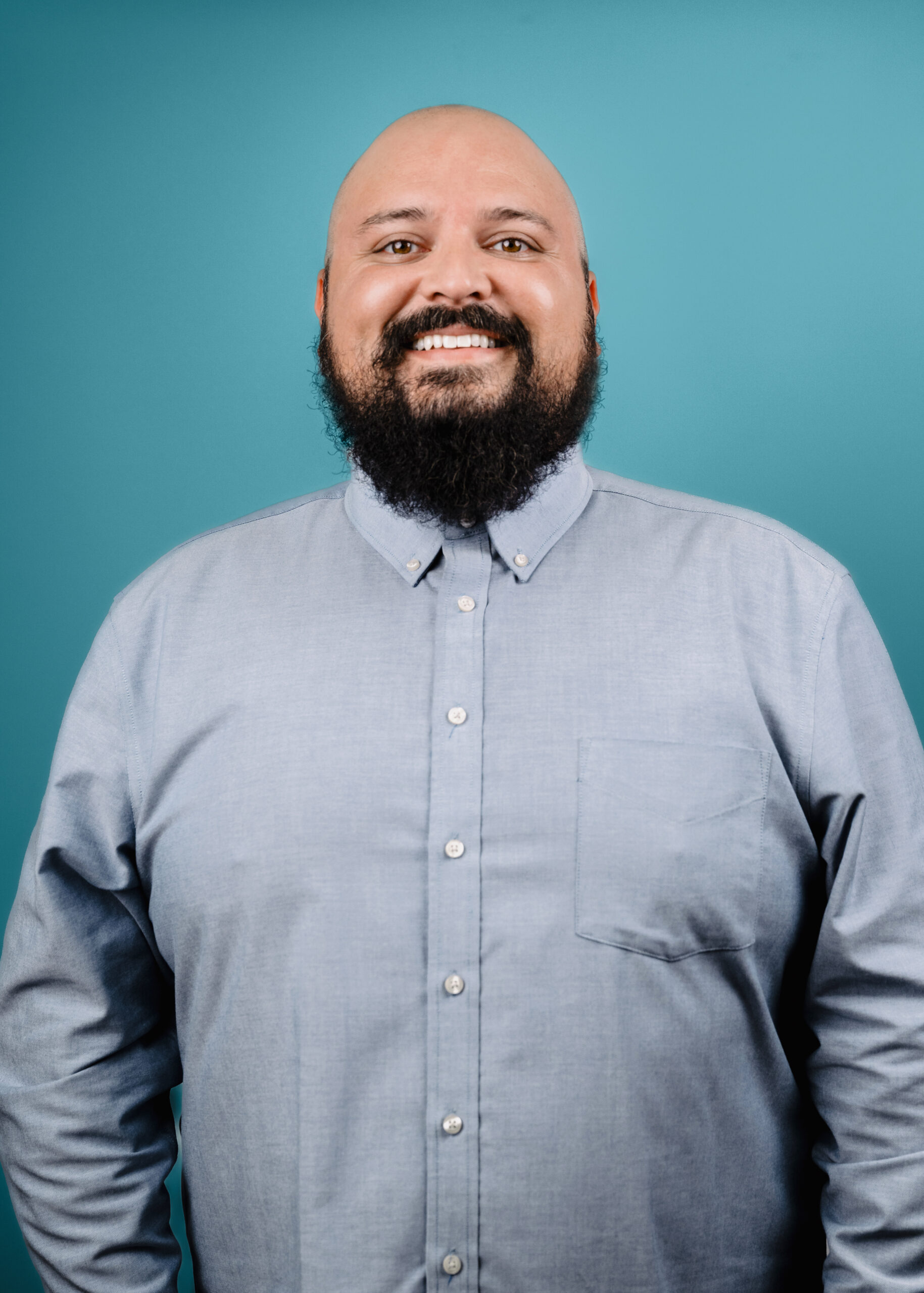
Meet The Hosts
Aaron Watters – CEO, Leadhub
Dennis Ayotte – COO, Leadhub
Explore More: